Frequently Asked Questions
How is a bullet brass casing made?
The process of making a bullet brass casing involves several steps, including melting brass, forming it into a cylindrical shape, and then drawing it to the desired dimensions through a series of precision machining processes.
How to cast bullets for reloading?
Casting bullets for reloading involves melting lead, pouring it into molds, and allowing it to cool to form solid bullets. Ensure proper safety measures and equipment are in place for a successful casting process.
How good is Sig Sauer brass cartridge cases?
The quality of Sig Sauer brass cartridge cases is exceptional, known for their durability and reliability, making them a preferred choice among shooters and handloaders for consistent performance in various conditions.
Why is shell casing made of brass?
Shell casings are made of brass due to its excellent durability, resistance to corrosion, and ability to withstand high pressures during firing, making it an ideal material for reliable ammunition.
How to anneal brass cartridge cases?
Annealing brass cartridge cases involves heating the cases to a specific temperature, typically around 700°F (370°C), and then allowing them to cool slowly. This process relieves stress and enhances the brass's malleability for better reloading.
How to remove primer from brass casing?
Removing the primer from a brass casing involves using a decapping die in a reloading press. Simply insert the brass casing into the die, and the press will push out the primer efficiently.
How to anneal rifle brass casing?
Annealing rifle brass casings involves heating them to a specific temperature, typically around 700°F to 800°F, and then allowing them to cool slowly. This process helps to relieve stress and extend the lifespan of the brass.
What does a brass .38 casing look like?
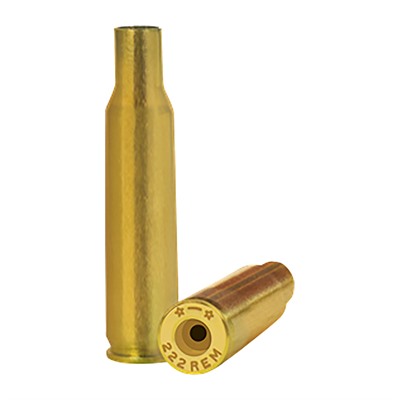
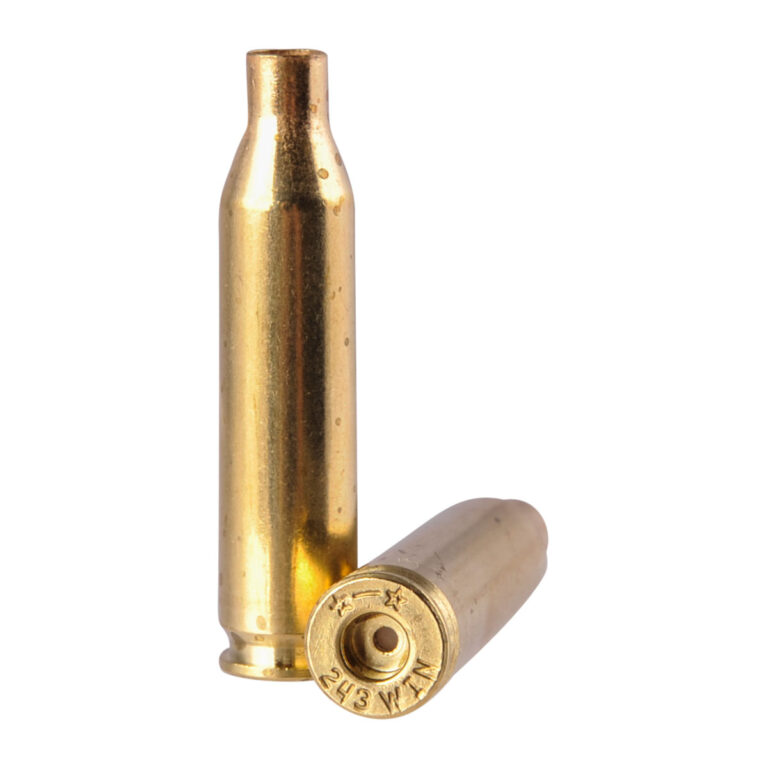
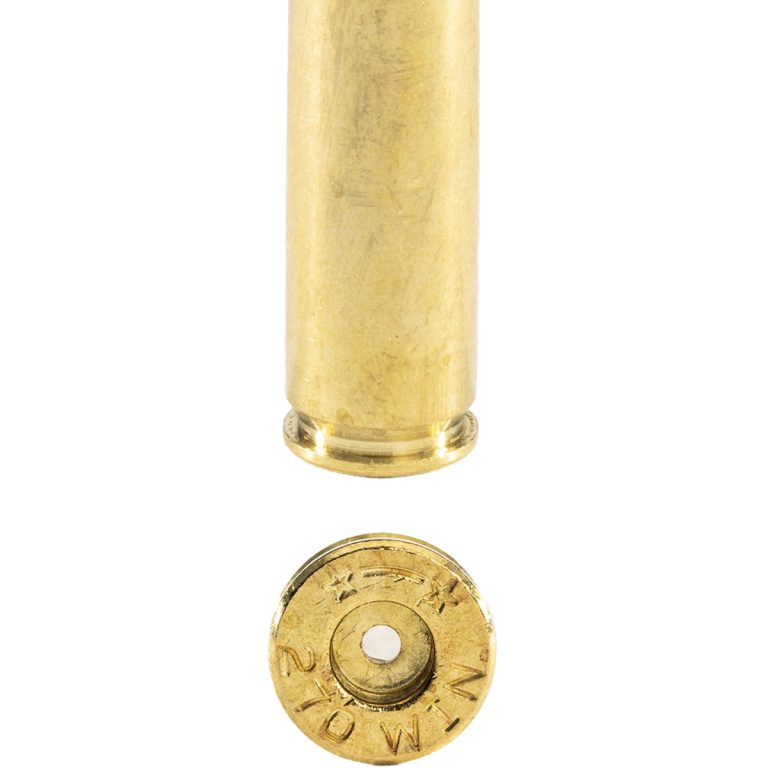
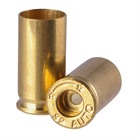
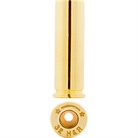
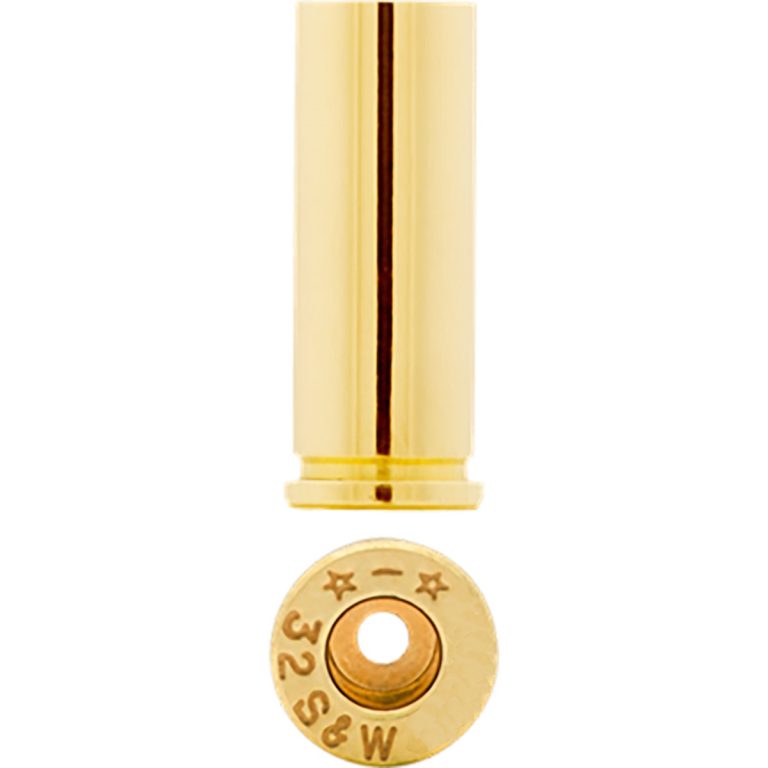
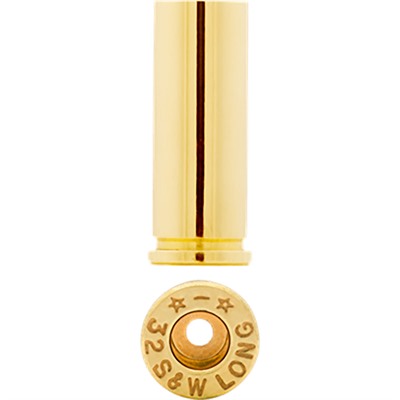
A brass .38 casing typically features a cylindrical shape with a smooth, shiny surface, characterized by its gold or yellowish hue. It has a small primer pocket at the base and a mouth that is flared slightly for bullet seating.
How to start reloading bullets?
Starting to reload bullets involves gathering essential equipment, such as a reloading press, dies, and safety gear, followed by selecting the right components like brass casings, primers, powder, and bullets to create your desired ammunition safely.
What size bullets for reloading .223?
The size bullets for reloading .223 are typically 55 grains, although options range from 40 to 77 grains depending on your shooting needs and preferences.
What materials are used for bullet casings?
The materials used for bullet casings are primarily brass, though some casings may also be made from steel or aluminum. Brass is favored for its durability and corrosion resistance, making it ideal for reloading.
How to clean brass cartridge cases effectively?
Cleaning brass cartridge cases effectively involves using a tumbler or ultrasonic cleaner with suitable cleaning media, such as corncob or walnut shell, to remove dirt and oxidation. Rinse thoroughly and dry before reloading.
What tools are needed for reloading bullets?
The tools needed for reloading bullets include a reloading press, dies specific to the caliber, a scale for measuring powder, a case trimmer, and safety equipment like goggles and gloves.
How to measure brass casing thickness?
Measuring brass casing thickness involves using a caliper to accurately gauge the wall thickness at various points along the casing. Ensure the caliper is properly calibrated for precise readings.
What is the lifespan of brass casings?
The lifespan of brass casings varies based on usage and care, but typically, they can be reloaded multiple times—often between 5 to 10 reloads—before showing signs of wear or failure. Proper maintenance can extend their life.
How to identify quality brass cartridge cases?
Identifying quality brass cartridge cases involves checking for uniformity in size, a smooth finish, and the absence of dents or scratches. Additionally, look for clear headstamps and consistent wall thickness to ensure reliability during reloading.
What are common issues with brass casings?
Common issues with brass casings include corrosion, deformation, and improper sizing. These problems can affect the reliability and performance of your reloads, making it essential to inspect and maintain your brass regularly.
How to store brass casings properly?
Proper storage of brass casings is essential to maintain their quality. Store them in a cool, dry place in airtight containers to prevent oxidation and corrosion. Avoid exposure to moisture and extreme temperatures for optimal preservation.
What is the process for resizing brass casings?
The process for resizing brass casings involves using a resizing die in a reloading press to return the casings to their original dimensions after firing. This ensures proper chamber fit and reliable performance in future reloads.
How to check for cracks in brass casings?
Checking for cracks in brass casings involves visually inspecting each casing for any visible fissures or separations. Use a bright light to enhance visibility and pay close attention to areas around the neck and base, as these are common stress points.
What is the best way to polish brass?
The best way to polish brass is to use a mixture of vinegar and baking soda or a commercial brass polish. Apply with a soft cloth, rub gently, and then rinse thoroughly to restore shine and remove tarnish.
How to choose the right brass casing caliber?
Choosing the right brass casing caliber involves understanding your firearm's specifications and the type of ammunition you intend to load. Always refer to your gun's manual and select casings that match the required caliber for optimal performance and safety.
What are the benefits of using brass casings?
The benefits of using brass casings include their durability, excellent corrosion resistance, and ability to be reloaded multiple times, making them a cost-effective choice for shooters and handloaders seeking reliable performance.
How to troubleshoot reloading issues with brass?
Troubleshooting reloading issues with brass involves inspecting cases for damage, ensuring proper sizing, checking for consistent powder measurements, and verifying bullet seating depth. Regularly cleaning and maintaining brass can also prevent common problems.
What is the difference between new and used brass?
The difference between new and used brass lies in their condition and usability. New brass is unfired and ready for reloading, while used brass has been fired and may require cleaning and inspection for quality before reuse.
How to safely dispose of old brass casings?
The safe disposal of old brass casings involves recycling them. You can take your casings to a local recycling center that accepts metals, or participate in a community recycling event specifically for ammunition components.
What are the signs of worn brass casings?
The signs of worn brass casings include visible cracks, deep scratches, discoloration, and a stretched or deformed shape. Additionally, excessive thinning at the case mouth or a loose fit in the chamber can indicate wear.
How to anneal brass for better performance?
Annealing brass for better performance involves heating the brass casings to a specific temperature, typically around 700°F to 900°F, and then allowing them to cool slowly. This process softens the metal, enhancing its durability and preventing cracking during reloading.
What is the impact of humidity on brass?
The impact of humidity on brass is significant, as high humidity can lead to corrosion and tarnishing, affecting the performance and longevity of brass casings. Proper storage in a controlled environment is essential to mitigate these effects.
How to reload brass casings for accuracy?
Reloading brass casings for accuracy involves careful attention to detail, including consistent case preparation, precise powder measurement, and proper bullet seating. Ensure your equipment is calibrated and maintain uniformity in each step for optimal performance.